St Valentine Paper Lantern Series 0081 Review
As a designer who constantly bridges the gap between digital assets and tangible handmade products, I approach every new file with a specific question: will this actually work in production? When evaluating the St Valentine Paper Lantern Series 0081, my perspective shifts from simple appreciation of aesthetics to practical application. This design is categorized under Shapes and formatted as a 3D SVG, originally intended to fit an 8.5 x 11.7 sheet for paper crafting. However, for embroidery professionals, Etsy sellers, and makers, the real value lies in translating these clean vector lines into stitch data. My initial impression is that this lantern possesses a structural elegance that translates beautifully to needlework, provided you understand how to adapt a paper-centric layout for textile use.
Translating Vector Lines to Stitched Reality
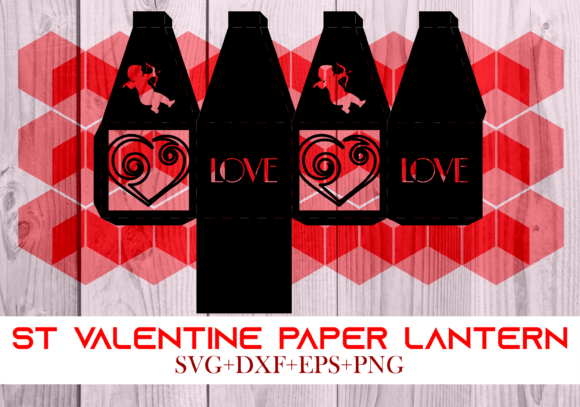
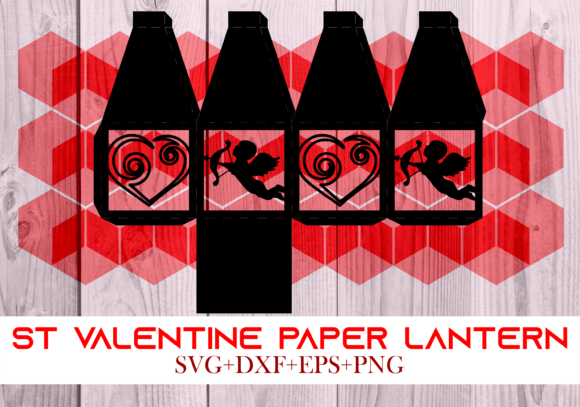
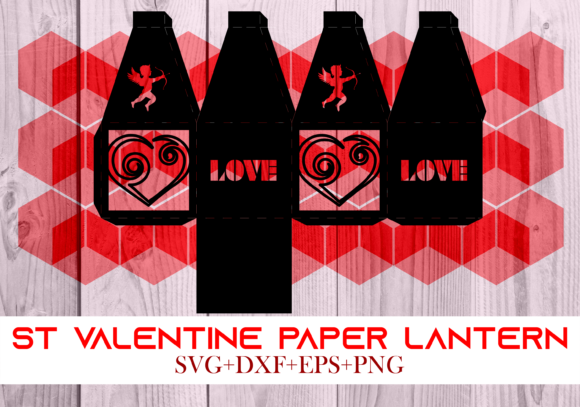
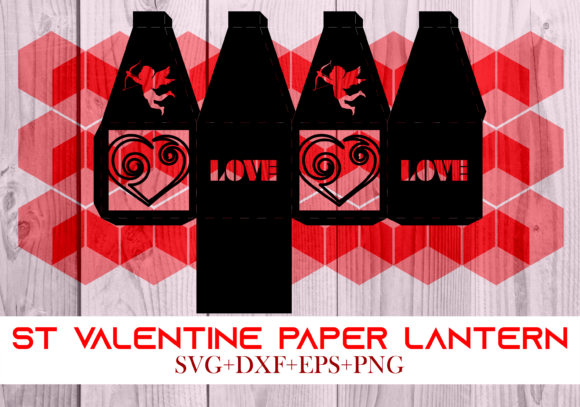
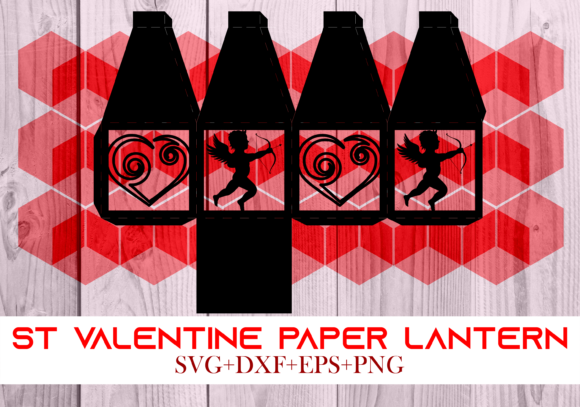
The visual personality of St Valentine Paper Lantern Series 0081 is delicate yet defined. In its native SVG format, the lines are crisp, which is exactly what we want when digitizing for machine embroidery. Unlike raster images that require tracing and guesswork, this vector foundation allows for precise node placement. For a custom apparel project or a holiday gift, this clarity is essential. The lantern’s silhouette suggests a balance between negative space and detailed linework. When I look at this design, I don't just see a decoration; I see a potential satin stitch border framing a lightweight fill stitch interior. The mood is romantic and nostalgic, making it ideal for personalized gifts or boutique branding where softness and precision must coexist. It avoids the cluttered look that often plagues holiday embroidery, offering instead a refined aesthetic that appeals to modern buyers looking for sophisticated handmade products.
Real-World Application: The Linen Tea Towel Test
To truly judge the viability of St Valentine Paper Lantern Series 0081, I mentally placed it in a real-life production scenario: creating a premium linen tea towel for a small shop product line. Tea towels are a staple for craft businesses because they offer a flat, stable surface that showcases embroidery well. In this context, the lantern design serves as a central motif rather than a background element. Because the original file is sized for standard paper, scaling it down for a 5x7 hoop requires careful attention to stitch density. If the design retains too much detail at a smaller scale, the running stitches might get lost in the linen weave. Conversely, if scaled up for a large tote bag design, the open areas of the lantern need sufficient support to prevent fabric distortion. This specific project highlights the versatility of the design; it feels equally appropriate on a kitchen textile as it would on a nursery pillow cover, proving its worth as a multi-use digital embroidery file for sellers who need cohesive collections.
Navigating Fabric Texture and Hoop Limitations
While St Valentine Paper Lantern Series 0081 is versatile, it demands respect for fabric physics. As an experienced reviewer, I must caution against using this design on highly textured fabrics like terry cloth or thick fleece without significant modification. The intricate cuts and folds implied by the 3D SVG structure rely on visual continuity. On a nubby texture, those fine details can disappear or look messy. Similarly, stretchy fabrics present a challenge. If you are planning sweatshirt embroidery or baby clothes, the stabilizer choice becomes critical. A cut-away stabilizer is non-negotiable here to maintain the lantern's geometric integrity during the stitching process and throughout the garment's life. Furthermore, be mindful of small hoop sizes. Compressing this design too much to fit a 4x4 hoop may force you to remove internal elements, potentially altering the recognizable shape of the lantern. Always verify your hoop size against the design’s aspect ratio before committing to a commercial embroidery run.
Critical Considerations for Dark and Layered Garments
Color contrast is another variable that dictates success. St Valentine Paper Lantern Series 0081 likely relies on line definition to create its 3D effect. On dark fabrics, if you use a thread color that lacks sufficient value contrast, the dimensional illusion flattens. I recommend testing thread colors on scrap fabric first. For dark backgrounds, consider a light metallic or variegated thread to make the lantern pop. Additionally, avoid placing this design over seams or layered areas on caps or structured bags. The uniform tension required for a clean lantern shape cannot be achieved over uneven surfaces. For curved surfaces like caps, this specific 3D SVG style may require simplification to accommodate the natural curve of the brim area without puckering.
Elevating Product Value and Buyer Trust
For Etsy sellers and creative entrepreneurs, the presentation of St Valentine Paper Lantern Series 0081 directly impacts perceived value. A cleanly stitched version of this design signals professionalism. Buyers can instantly distinguish between a rushed job and a thoughtfully executed handmade product. When used in printable mockups or digital product previews, ensure the rendering accurately reflects stitch texture rather than just showing the flat vector. Customers trust sellers who show realistic expectations. If you are selling finished items, photographing the lantern design in natural light on a shelf or window—as suggested by the product description—reinforces its intended use and helps buyers visualize it in their own homes. This alignment between digital asset and physical reality builds brand consistency and encourages repeat business. Whether used for wedding gifts or seasonal decor, the design’s successful execution validates your pricing and expertise.
Designer Notes for Safe Commercial Use
Before adding St Valentine Paper Lantern Series 0081 to your inventory, adhere to these practical checkpoints. First, confirm licensing terms explicitly; just because a file is downloadable does not always guarantee commercial rights for embroidered goods versus digital redistribution. Second, always run a test stitch-out. Check the stitch density to ensure it matches your target fabric weight; adjust pull compensation if the lantern edges gap during sewing. Third, inspect small details. If the SVG contains tiny text or micro-elements meant for laser cutting, they may need to be removed or enlarged for embroidery to prevent needle breaks or thread bunching. Finally, compare light and dark fabric backgrounds during your testing phase. What works on white cotton may fail on navy canvas. By treating this design with technical diligence, you transform a lovely digital shape into a reliable, profitable asset for your embroidery business.