3D Valentine Envelope: A Designer’s Stitch Test
When evaluating a new machine embroidery design for seasonal inventory, my first question is always about translation. Does this digital file actually translate into a tangible, high-quality finished product, or does it just look good on a screen? As a designer who creates both for personal enjoyment and for a small shop, I approached the 3D Valentine Envelope with a critical eye. This isn't just another heart shape; it is categorized under Shapes as a 3D SVG, implying depth, layering, and structural integrity that standard flat designs often lack. My goal was to determine if this specific embroidery file could withstand the rigors of commercial production while maintaining the delicate aesthetic required for Valentine’s Day merchandise.
First Impressions and Visual Personality
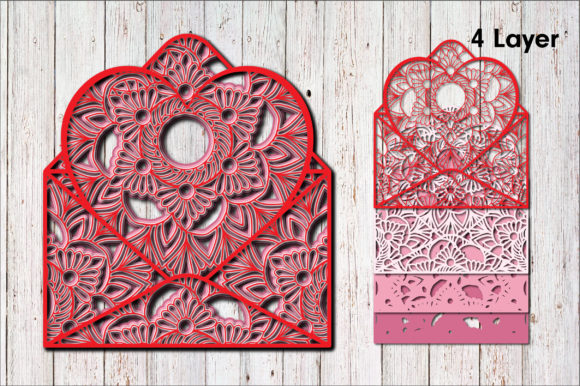
Opening the digital embroidery file, the immediate impression is one of playful sophistication. The 3D aspect suggests an interplay of shadows and highlights that mimics a physical envelope rather than a simple outline. For an Etsy seller or boutique owner, this visual personality is crucial. Customers are drawn to items that feel tactile even when viewed through a screen. The design avoids the overly cloying sweetness of some holiday graphics, leaning instead toward a modern, craft-forward aesthetic that appeals to adult buyers looking for personalized gifts or unique decor.
However, a pretty vector is not a guaranteed stitch-out. In reviewing the lines, I looked specifically for how the "3D" effect is achieved. Is it relying solely on complex fill stitch gradients, or does it utilize strategic satin stitch borders to create definition? For a tote bag design or sweatshirt embroidery, clarity is king. If the shadow details are too subtle, they will disappear once thread tension and fabric texture come into play. This design appears to balance bold outlines with interior detailing, which is a promising sign for visibility on textured fabrics like canvas or fleece.
Real-World Application: The Custom Tote Bag Test
To truly evaluate this asset, I mentally placed it in a real-life production scenario: creating a limited run of Valentine’s Day market totes for a local craft fair. A tote bag design faces unique challenges. Canvas is unforgiving; it has a coarse weave that can swallow fine details, and the bags themselves are often handled roughly by shoppers.
In this context, the 3D Valentine Envelope needs to serve as a focal point without requiring excessive stabilization that makes the bag stiff and unappealing. I considered how this would pair with personalized text, such as a recipient's name or a short phrase like "Signed with Love." The layout of this shape seems conducive to customization, offering negative space or a clear center panel where monogramming could sit comfortably. For a craft business, this versatility is a major selling point. It allows you to use one base applique design or fill design across multiple SKUs—changing only the thread colors or added text to create distinct products for moms, partners, or teachers.
Furthermore, for those selling design assets or using this for printable mockups, the included 300ppi PNG with a transparent background is invaluable. Being able to drop a high-resolution preview into a listing photo without editing out watermarks saves hours of prep time. It signals that the creator understands the workflow of a small shop product launch.
Technical Considerations and Fabric Compatibility
While the aesthetic is strong, practical application requires caution. Not every fabric is a suitable canvas for a 3D-style embroidery project. Here is where my reviewer’s skepticism kicks in regarding specific use cases:
- Stretchy Fabrics: If you plan to use this for baby embroidery on onesies or lightweight knits, proceed with care. Designs labeled "3D" often have higher stitch density to create shading effects. On thin jersey knit, this can cause puckering or distortion unless you use a heavy-duty cut-away stabilizer and potentially a topping. Always test on scrap fabric first.
- Curved Surfaces: Using this on caps or curved sleeves can be tricky. The perspective of a 3D envelope relies on flat geometry. When wrapped around a cap brim, the illusion may break, making the envelope look warped. I recommend reserving this design for flat surfaces like pillow covers, aprons, tea towels, or the chest area of sweatshirts.
- Dark vs. Light Fabrics: Check your thread colors against the fabric before committing. If the 3D effect relies on white or light grey shading stitches, it may vanish entirely on dark red or black fabric. Conversely, on white fabric, ensure the outline is substantial enough to define the shape. You may need to adjust thread contrast in your machine software depending on your chosen garment color.
- Small Hoop Sizes: Before purchasing, verify the dimensions against your available hoop size. Reducing a complex 3D design to fit a 4x4 hoop can result in lost detail or thread breaks due to condensed stitching. If you have a smaller machine, check if the designer offers pre-sized variations or if the file is scalable without losing integrity.
Commercial Viability and Professional Presentation
For commercial embroidery ventures, consistency builds trust. When a customer buys a handmade product, they expect professional finishing. The 3D Valentine Envelope contributes to this perception by offering a polished, non-generic look. However, professionalism also means respecting licensing. Since this is an instant digital download, confirm whether the license covers finished physical sales versus digital redistribution. Most designers allow selling embroidered goods but prohibit reselling the file itself. Clarifying this protects your business and respects the original artist.
From a marketing perspective, this design supports strong brand consistency. Because it falls under the "Shapes" category, it pairs easily with other geometric or typographic elements in your shop. It doesn't clash with existing inventory, making it a safe addition to a curated collection. Whether you are making holiday embroidery samples for social media or stocking up for February rush, having a reliable, visually distinct asset reduces decision fatigue.
Designer Notes for Successful Stitch-Outs
Based on my evaluation, here are actionable steps to ensure this design performs well in your studio:
- Run a Sew-Out Test: Never stitch directly onto a sellable item first. Use a scrap of the exact fabric and stabilizer combination you intend to use. Inspect the registration of the 3D layers. Are there gaps between the satin borders and fill areas? Adjust pull compensation if necessary.
- Evaluate Washability: If this is for custom apparel or kitchen linens that will be laundered frequently, check the anchor points. Complex shapes sometimes have loose edges after washing. A post-stitch fray check or ensuring adequate lock stitches at corners can prevent unraveling.
- Mockup Verification: Utilize the provided transparent PNG to create realistic previews. Place it on photos of actual blank products you stock, not just generic templates. This helps you judge scale and placement accurately before hooping anything.
- Thread Selection Matters: For a 3D effect, sheen matters. Rayon or polyester threads with high luster will enhance the dimensional illusion better than matte cotton threads. Consider using a variegated thread for the envelope body to add organic texture that complements the digital precision.
Final Verdict for Makers and Sellers
The 3D Valentine Envelope stands out as a versatile, commercially viable option for embroiderers who want to move beyond basic clip art. Its strength lies in its ability to function as both a standalone statement piece and a customizable base for personalized gifts. While it demands attention to stabilizer choice and fabric selection, the payoff is a professional, eye-catching result that resonates with buyers seeking quality handmade goods. Just remember to verify your specific machine compatibility and licensing terms, and always let a test stitch be your final judge. When executed correctly, this design has the potential to become a profitable staple in your Valentine’s season lineup.