Christmas Lollipop Holder 2: A Designer’s Review
As a professional embroidery digitizer and product reviewer, I approach every new design file with a specific set of criteria: stitch integrity, commercial viability, and end-user satisfaction. When evaluating the Christmas Lollipop Holder 2, my primary focus is not just on how the digital file looks on a screen, but how it translates into a tangible, high-quality handmade product. This review breaks down the practical realities of using this design for real-world projects, from custom apparel to boutique holiday merchandise.
First Impressions and Design Personality
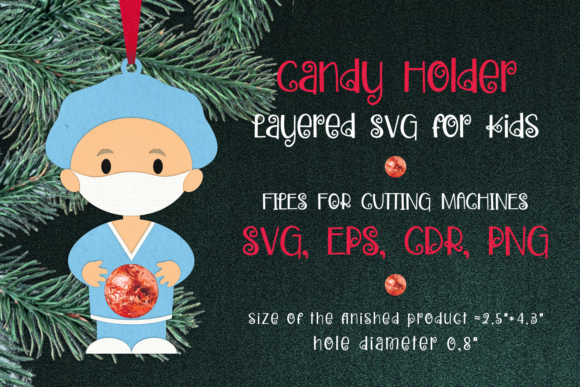
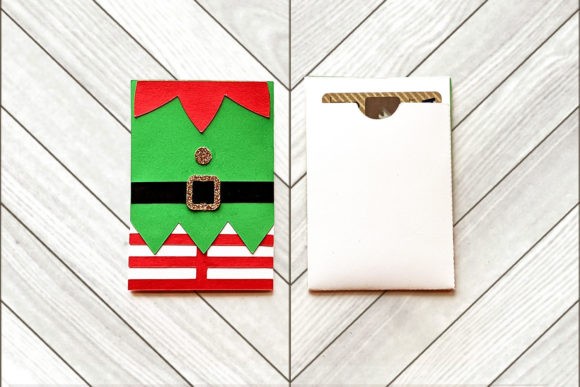
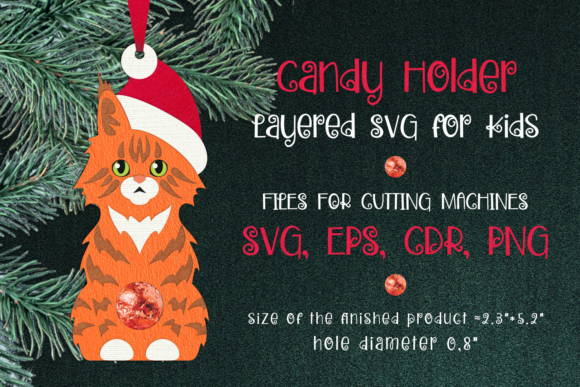
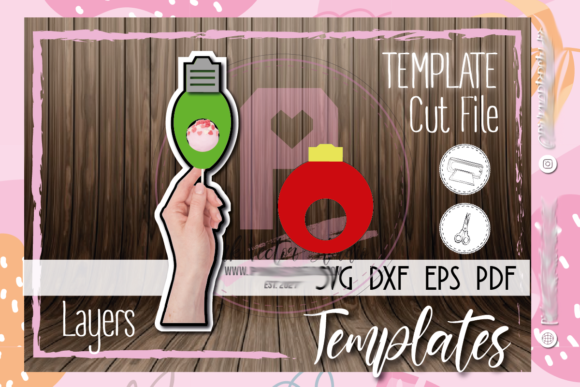
Upon opening the compressed file containing EPS, PDF, SVG, and DXF formats, the immediate impression of Christmas Lollipop Holder 2 is one of playful nostalgia mixed with modern crafting utility. The layout suggests a design that bridges the gap between traditional holiday embroidery and functional 3D assembly. As a designer, I appreciate that the layers are distinct, which is crucial for both machine embroidery alignment and manual cutting. The note that "you can cut it with scissors too" indicates clean vector lines and manageable complexity, making it accessible for makers who may not own laser cutters but still want to produce professional-grade personalized gifts.
The visual personality of this design leans towards whimsical yet structured. It does not feel overly dense or chaotic, which is often a pitfall in holiday-themed files. Instead, it presents a balanced composition that would serve as an excellent focal point for seasonal collections. For Etsy sellers and small shop products, this aesthetic strikes the right chord between festive cheer and sellable sophistication.
Real-World Application: The Holiday Stocking Stuffer Test
To truly evaluate this asset, I mentally placed Christmas Lollipop Holder 2 into a specific production scenario: creating a line of premium stocking stuffers for a local craft fair and online boutique. In this context, the design needs to perform as more than just decoration; it must function as a standalone item or a high-value add-on.
For this project, I envision pairing this design with a sturdy felt or wool blend base. If utilizing this as an applique design element within a larger embroidery project, the layering system provided in the file allows for precise registration. However, because this is categorized as a 3D SVG, its true power lies in dimensional construction. In a real-life stitching test, I would use this file to create a physical holder where the embroidery adds texture and branding, while the structural integrity comes from the layered material.
From a business perspective, this versatility is gold. A craft business owner could use the same base file to create embroidered patches for denim jackets, standalone lollipop holders for party favors, or even decorative accents for tote bag designs. The ability to pivot between these applications without purchasing multiple assets increases the ROI for creative entrepreneurs.
Fabric Selection and Technical Considerations
While Christmas Lollipop Holder 2 offers significant creative freedom, successful execution depends heavily on material choice and technical awareness. As with any specialized embroidery file, you must consider the substrate before hooping up.
- Stabilizer Strategy: Because this design involves layers and potential 3D elements, standard tear-away stabilizer may be insufficient. I recommend testing with a firm cut-away or fusible mesh to prevent puckering, especially if combining satin stitch borders with fill stitch interiors. Proper stabilization is non-negotiable for maintaining the crisp edges required for scissor cutting.
- Fabric Texture and Weight: Avoid using this design on loosely woven linens or highly textured terry cloth unless you plan to use a topping. The detail level requires a smooth surface to ensure stitch clarity. Conversely, heavy canvas or denim works exceptionally well, providing the necessary support for both the embroidery and the structural function of the holder.
- Stretchy Materials Warning: Exercise extreme caution when applying this to knit fabrics like jersey or interlock. The tension required for clean satin stitches can distort stretchy fabric, ruining the alignment needed for 3D assembly. If you must use knits, opt for a no-show mesh stabilizer and minimize pull compensation adjustments.
- Hoop Size Verification: Always confirm your machine’s maximum hoop size against the design dimensions before starting. While the file includes scalable vectors, resizing an embroidery design affects stitch density. Significant enlargement may require re-digitizing to maintain coverage, while reduction could lead to thread breaks or lost details.
Commercial Viability and Brand Consistency
For those selling finished goods, Christmas Lollipop Holder 2 presents a unique opportunity to elevate perceived value. Customers associate intricate, multi-layered items with higher quality and craftsmanship. When listing this as a custom apparel accessory or holiday gift, emphasize the dimensional aspect in your product photography. Flat lay images often fail to capture the depth of 3D SVG-based embroidery; instead, use lifestyle shots showing the holder in use.
Brand consistency is another critical factor. This design has a distinct style that should align with your existing shop aesthetic. If your brand focuses on minimalist modern decor, ensure the thread colors chosen for this project reflect that palette rather than defaulting to generic Christmas reds and greens. Muted tones or metallic threads can transform this from a kitschy novelty into a luxury boutique product.
Furthermore, consider the "giftability" factor. Items derived from this design make excellent teacher gifts, neighbor tokens, or party favors. For Etsy sellers, bundling these holders with actual candy or attaching them to larger gift sets can increase average order value. The design’s inherent charm drives impulse purchases during the peak holiday season.
Essential Pre-Production Checklist
Before committing to a full production run or listing a new product, adhere to these professional best practices:
- Test Stitch on Scrap: Never assume a digital file will stitch perfectly on your specific machine-fabric combination. Run a test on the exact material you intend to use for the final product.
- Verify Licensing: Review the included General Instructions carefully. Confirm whether you have rights for commercial use of finished products versus digital redistribution. Protecting your business starts with respecting intellectual property terms.
- Check Thread Contrast: View the design in black and white mockups to ensure definition relies on texture and shape, not just color contrast. This ensures visibility on both light and dark fabrics.
- Inspect Small Details: Zoom in to check for tiny text or narrow satin columns that might get lost during the cutting process or overwhelm the needle. Adjust manually if necessary.
- Mockup Testing: Create printable mockups to visualize placement on garments or bags before wasting materials. This step saves time and reduces overhead costs.
Final Thoughts for the Maker Community
Christmas Lollipop Holder 2 represents a thoughtful intersection of digital convenience and handmade tradition. Its compatibility with both machine embroidery and manual cutting makes it a versatile asset for diverse creators. Whether you are producing sweatshirt embroidery accents, nursery decor, or standalone holiday treats, success lies in respecting the technical requirements of the medium.
Remember that a digital embroidery file is merely a blueprint; your expertise brings it to life. By paying attention to stabilizer choices, fabric compatibility, and commercial presentation, you can transform this design into a profitable and beloved addition to your holiday catalog. Always prioritize quality testing over speed, and let your craftsmanship define the final outcome.