Gym Gradient: A Designer’s Embroidery Review
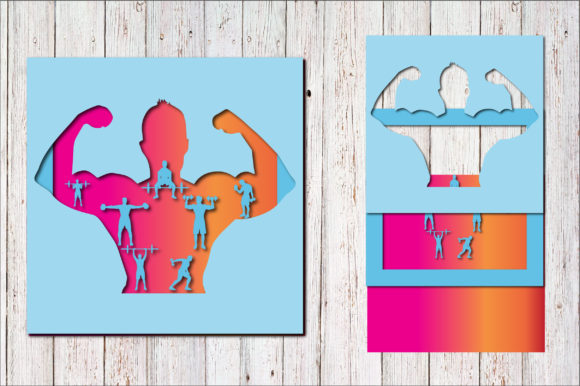
As a professional embroidery designer and product reviewer, I approach every new digital asset with a critical eye. When evaluating Gym Gradient, my first thought isn't just about the aesthetic appeal of the graphic itself, but how it will translate from a screen to fabric. This design is categorized under Shapes and provided as a 3D SVG, which immediately suggests a modern, dimensional quality that differs from traditional flat clip art. For small business owners, Etsy sellers, and apparel decorators, understanding this distinction is vital before committing thread to fabric.
The visual personality of Gym Gradient strikes a balance between energetic and structured. The gradient effect implies movement and depth, which is excellent for fitness-related branding or motivational merchandise. However, gradients in embroidery are notoriously tricky because thread does not blend like ink. As a reviewer, I am looking at how this specific file handles that transition. Does it rely on dense satin stitches that might pucker lightweight fabrics, or does it utilize clever color blocking and fill stitches to simulate the gradient? This technical reality dictates whether the design will look professional on a finished product or appear amateurish and stiff.
Real-World Application: The Custom Sweatshirt Test
To truly evaluate this machine embroidery design, I mentally placed it in a real-life scenario: creating a custom embroidered sweatshirt for a boutique fitness studio’s merchandise line. Sweatshirts are a staple for craft businesses and personalized gifts, but the fleece backing and stretchy knit present specific challenges.
In this context, Gym Gradient needs to hold its shape without distorting the garment. If the 3D SVG elements are too dense, they could create a "bulletproof" patch of stitching that feels uncomfortable against the skin and causes the sweatshirt to sag. Conversely, if the stitch density is too light to accommodate the gradient illusion, the design might get lost in the texture of the fleece. For this project, I would assess the file’s layering structure. A well-digitized version of this concept should allow for adequate underlay to stabilize the knit fabric before the decorative top stitches are applied. This ensures the gradient remains crisp and the handmade product maintains a high-quality drape.
Versatility Across Commercial and Personal Projects
Beyond apparel, Gym Gradient shows promise for various commercial embroidery applications. The bold nature of the shape makes it an ideal candidate for an embroidered patch. Patches require clean edges and high contrast, and the gradient style can add a premium feel to what is often a utilitarian item. For Etsy sellers focusing on accessories, this design could work beautifully on a tote bag design, provided the canvas weight is sufficient to support the stitch count.
For those creating personalized gifts or holiday embroidery, the dynamic look of this design offers a contemporary alternative to standard monograms. It fits well in the niche of gym bags, water bottle sleeves, and even nursery decor for active families who want a sporty theme without being overly aggressive. However, creators must remember that while the source files include SVG, Ai, and PNG formats at 300ppi, these are primarily vector and raster graphics. You must verify if a dedicated digital embroidery file (like DST, PES, or EXP) is included or if you will be digitizing the 3D SVG yourself. Digitizing a gradient-rich shape requires skill to avoid excessive jump stitches and thread breaks.
Critical Considerations for Fabric and Hoop Size
While Gym Gradient is versatile, there are environments where caution is necessary. I would advise against using this design on very thin or sheer fabrics unless heavily stabilized, as the complexity required to render a gradient visually often increases stitch density. Similarly, curved surfaces like caps can be problematic. The distortion inherent in cap embroidery can warp the precise geometry needed for a gradient effect to read correctly. If you intend to use this for hat embroidery, test it on a flat brim first or modify the design to be less reliant on perfect alignment.
Dark fabrics also demand scrutiny. Gradients often rely on subtle color shifts that may disappear on black or navy material. In such cases, you may need to adjust thread colors to increase contrast or add a running stitch outline to define the shape’s boundaries. Always check your hoop size limitations before purchasing; complex shapes sometimes exceed standard 4x4 hoops, requiring larger equipment or splitting the design, which adds production time for small shop products.
Enhancing Brand Value and Customer Trust
Using a distinctive asset like Gym Gradient can elevate the perceived value of your work. In a saturated market of generic clip art, a cohesive, modern shape signals professionalism. Buyers engage more readily with listings that feature unique design assets rather than overused stock vectors. When customers see a clean, well-executed gradient on a baby embroidery item or a custom apron, they trust the maker’s attention to detail.
This trust extends to digital product sellers as well. If you are selling printable mockups or design assets derived from this purchase, the transparency and resolution (300ppi) mentioned in the product description are industry standards for quality. Ensuring your final output matches these specs prevents pixelation and maintains brand consistency across your shop.
Practical Designer Notes for Success
Before launching Gym Gradient into a full production run, adhere to these practical steps to ensure success:
- Test Stitch First: Never skip the test sew. Use scrap fabric that matches your intended final product to check for puckering, registration issues, and color blending.
- Verify File Compatibility: Confirm exactly which embroidery file formats are included. If only vector files (SVG/Ai) are provided, factor in the time and cost of professional digitizing to convert them into a stitch-ready format.
- Stabilizer Selection: Match your stabilizer to the fabric texture. Cut-away stabilizer is generally safer for knits and stretchy fabrics used in sweatshirt embroidery, while tear-away may suffice for stable canvas tote bags.
- Thread Color Contrast: Review your thread palette physically. Screen gradients can be deceptive; ensure you have enough distinct thread shades to replicate the 3D effect effectively.
- Licensing Check: Clarify the license terms regarding commercial embroidery. Ensure you are permitted to sell finished products or if the license restricts usage to personal projects only.
- Mockup Accuracy: When creating listing photos, use realistic textures. A flat digital preview doesn't show how the stitch density interacts with fabric grain, which is crucial for buyer expectations.
Ultimately, Gym Gradient represents a strong opportunity for makers willing to put in the technical due diligence. Its modern aesthetic aligns perfectly with current trends in custom apparel and boutique branding. By respecting the physical limitations of thread and fabric, and by verifying the technical specifications of the download, you can transform this digital shape into a profitable, high-quality tangible product that stands out in the handmade marketplace.