Haunted House 3D SVG Shapes for Local Branding
Evaluating Whimsical Depth for Seasonal Small Business Branding
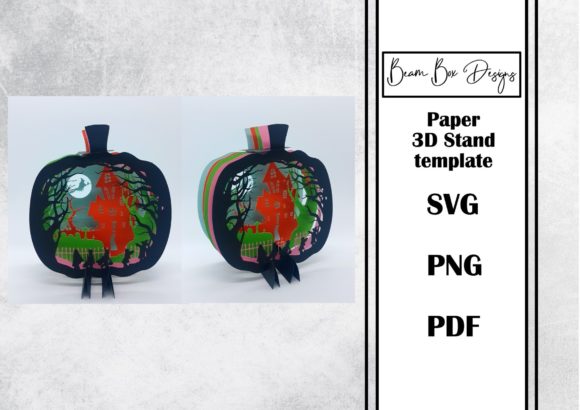
As a brand designer working with local artisans and seasonal retail pop-ups, I constantly evaluate graphic design assets that bridge the gap between digital screens and physical shelves. When reviewing the Haunted House 3D Stand for a recent boutique bakery project, my first impression was one of structured nostalgia. Unlike flat clipart or generic illustration files, this asset possesses a tangible architectural quality. The mood is distinctly playful yet crafted, suggesting a brand personality that values handmade details over mass-produced aesthetics. It feels festive without being juvenile, making it an excellent candidate for businesses targeting adult consumers who appreciate whimsy in their product packaging and store displays.
For a local business owner, specifically in the food, candle, or gift sector, this asset signals a departure from standard flat graphics. It suggests a brand that understands spatial design and customer experience. The silhouette is bold enough to serve as a primary visual anchor but retains enough intricacy to feel premium. In my assessment, this fits perfectly for artisanal soap makers, specialty coffee roasters launching a fall blend, or florists creating autumnal arrangements. It avoids the cheapness often associated with holiday decor, leaning instead into a modern, rustic elegance that supports professional small business branding.
Translating Digital Layers into Physical Retail Experiences
The true value of this digital product lies in its construction. This template has a total of five layers to be cut plus the stand, which is a critical specification for designers planning physical activations. When I tested this for a client’s harvest market booth, the multi-layer capability allowed us to create depth that flat PNG design files simply cannot achieve. The included ZIP file containing six SVG files, six outline SVGs, six PDFs, and six PNGs provides necessary versatility. For packaging design, I utilized the single-layer SVG for laser-cut box sleeves, while the full assembly served as a tabletop display unit beside the register.
In real-world application, this asset excels in creating immersive marketing visuals. For a handmade candle brand, we used the stand as a literal product riser, elevating the merchandise both physically and perceptually. The ability to resize the files without losing quality is essential for commercial design workflows where an asset must transition from a small hang tag to a large window decal. The outline versions are particularly useful for product label design where ink coverage needs to be minimized, or for creating embossed effects on textured paper. This flexibility transforms a simple shape into a comprehensive brand identity system component rather than just a decorative afterthought.
Strategic Placement for Maximum Shelf Appeal and Recognition
Knowing where to deploy this asset is as important as the asset itself. In my experience designing for local markets, the Haunted House 3D Stand works best as a hero graphic or a structural packaging accent. It creates immediate visual hierarchy on crowded shelves by literally standing out from flat competitors. I recommend using it for:
- Seasonal Packaging: As a die-cut window overlay or a sleeve for limited-edition product runs.
- Retail Displays: Constructed as a physical stand to hold price lists or menu cards at point-of-sale.
- Social Media Graphics: Photographed in natural light to showcase texture and shadow for Instagram stories.
- Thank-You Cards: Used as a subtle watermark or border element to reinforce brand recall post-purchase.
- Web Design: Animated subtly on landing pages to add dimension to flat e-commerce layouts.
These applications leverage the asset's 3D nature to build stronger emotional connections. Customers perceive brands that invest in dimensional presentation as more trustworthy and established. The interplay of light and shadow through the five layers adds a tactile quality to editorial design and promotional ads that static images lack, directly supporting better product recognition and shelf appeal.
Navigating Visual Balance and Commercial Licensing Requirements
Despite its versatility, this asset requires careful handling to maintain professional standards. During my review, I noted specific scenarios where caution is necessary. Avoid using the fully assembled 3D version on very small labels or areas dense with legal text; the complexity will compete with readability and violate accessibility standards. It is also ill-suited for formal corporate branding or luxury minimalist aesthetics where negative space is paramount. In these contexts, the decorative nature of the haunted house can undermine the desired sleekness. Furthermore, ensure high contrast when placing the dark silhouettes against colored backgrounds to maintain legibility in low-light retail environments.
From a technical and legal standpoint, thorough vetting is non-negotiable before client delivery. Always confirm the commercial license terms specifically for physical product sales and resale, as marketplace rules vary. I strongly advise testing the SVG design in your specific cutting software (Cricut, Silhouette, or laser cutter) to verify node cleanliness; complex layers sometimes require simplification for smooth production. Test the asset in black and white first to ensure the silhouette reads clearly without color reliance. Pair it with clean sans-serif or elegant serif fonts rather than overly ornate scripts to prevent visual clutter. Finally, mock up the design on actual materials before bulk printing. A product mockup reveals how the five layers interact with real-world lighting and texture, ensuring the final output matches the digital promise. By treating this asset as a professional tool rather than mere decoration, local businesses can elevate their seasonal campaigns with confidence and commercial viability.