3D Multilayered Letter K Mandala Review
As a professional embroidery designer and product reviewer, I approach every new digital asset with a critical eye toward production reality. When evaluating the 3D Multilayered Letter K Mandala, my primary focus is not just on its aesthetic appeal as a graphic, but on its viability as a functional machine embroidery design. This specific asset bridges two distinct crafting worlds: the intricate paper art of shadow boxes and the textile precision of custom apparel. While marketed heavily as a 3D SVG for layered projects, its potential in the embroidery studio requires a nuanced understanding of stitch density, fabric interaction, and commercial application.
Visual Personality and First Impressions
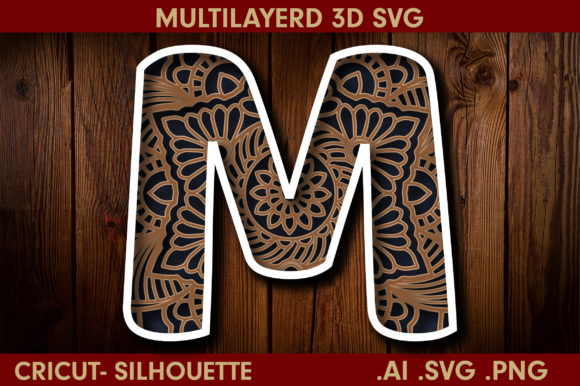
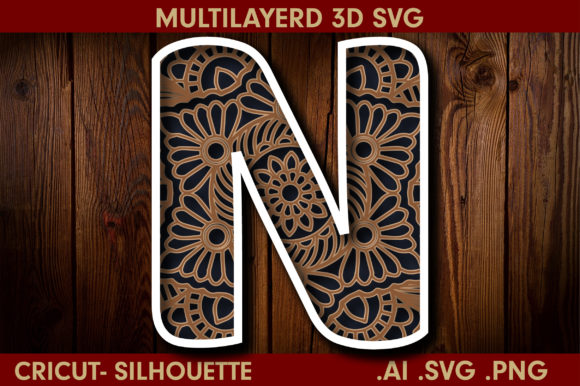
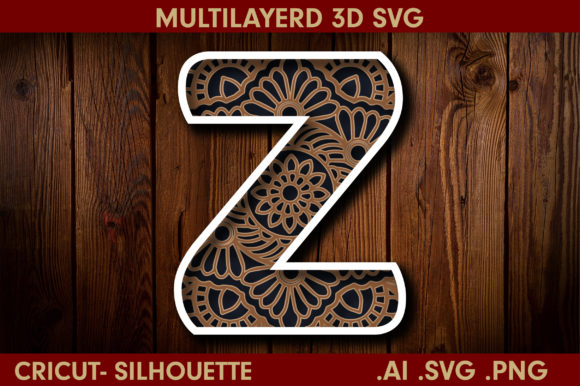
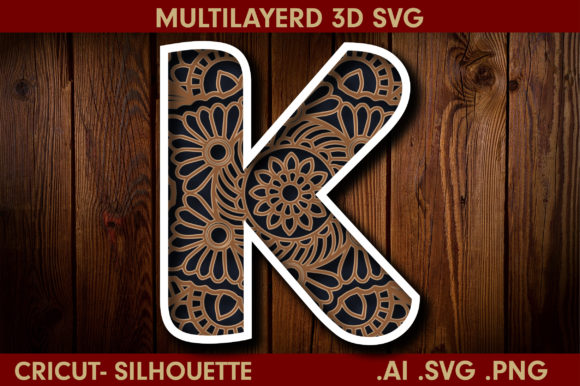
The immediate impact of the 3D Multilayered Letter K Mandala is one of sophisticated complexity. The mandala framework provides a circular, meditative balance that softens the angular geometry of the letter K. From a designer’s perspective, this is crucial because standalone alphabet letters can sometimes feel stark or overly utilitarian in embroidery. The floral and geometric integration transforms a simple initial into a standalone motif that carries significant visual weight.
In terms of mood, this design leans towards elegance and timelessness rather than playful or juvenile. It feels appropriate for heirloom-quality projects or boutique merchandise. However, the "multilayered" aspect presents a unique challenge for embroiderers. In a shadow box context, layers are physical paper separated by foam spacers. In embroidery, we must translate those layers through thread color changes, stitch types, and shading techniques. The original files, available in SVG, AI, and PNG formats at 300ppi with transparent backgrounds, provide excellent source material for digitizing, but they do not automatically guarantee a balanced embroidery file. A high-resolution PNG is perfect for printable mockups or sublimation, but converting it to stitches requires careful planning to maintain that 3D illusion without creating a bulletproof patch.
Real-World Application: The Custom Tote Bag Test
To truly evaluate this design, I mentally placed it onto a heavy canvas tote bag intended for a bridal party gift. This scenario tests both durability and aesthetics. Canvas is a textured fabric that can swallow fine details, so the bold lines of the Letter K Mandala work in our favor here. For this project, I would treat the design as a centerpiece applique design or a dense fill stitch composition.
If stitching this for a client, the multilayered effect can be achieved by using contrasting thread colors to define the mandala rings against the central K. Alternatively, utilizing a satin stitch border around the inner elements while using a lighter fill stitch for the background layers creates depth through texture rather than physical height. On a tote bag, this level of detail elevates the perceived value of the handmade product significantly. Customers browsing Etsy listings respond well to this type of intricacy because it signals skilled craftsmanship rather than generic clip-art placement. However, for a tote bag that will see heavy use, I would advise simplifying the outermost delicate flourishes to prevent snagging, ensuring the finished product remains practical as well as beautiful.
Navigating Fabric Limitations and Hoop Constraints
While the 3D Multilayered Letter K Mandala is versatile, it demands respect for fabric physics. This is not a design I would recommend for lightweight performance wear or thin baby onesies without significant modification. The stitch count required to render the mandala’s depth creates tension that can distort stretchy knits. If you are determined to use this for baby embroidery, you must reduce the size and simplify the internal details to avoid creating a stiff, uncomfortable spot on the garment.
Curved surfaces like caps present another hurdle. The radial symmetry of a mandala fights against the curved brim and structured crown of a hat. If adapting this for headwear, consider isolating just the letter K with a simplified accent element rather than the full mandala. Similarly, when working with dark fabrics, ensure your digitized version includes adequate underlay. Without proper stabilizer and foundational stitches, the vibrant thread colors needed to show off the 3D layering will sink into the fabric, losing the definition that makes this design special.
Small hoop sizes also require caution. Shrinking a complex mandala often results in muddy details where running stitches merge unintentionally. Always verify the minimum recommended size before purchasing or digitizing. If your hoop cannot accommodate the design at a legible scale, it is better to choose a simpler monogram than to force a compromised result.
Commercial Viability for Makers and Sellers
For Etsy sellers and small shop owners, the 3D Multilayered Letter K Mandala offers strong branding potential. Its distinct style allows for cohesive product lines across different mediums. You could offer personalized sweatshirt embroidery featuring this design alongside matching shadow box kits, creating an upsell opportunity. The availability of high-quality PNG files facilitates professional marketing; you can create clean, watermark-free printable mockups for your listings without needing to photograph every single variation physically.
However, commercial embroidery requires efficiency. Dense, multilayered designs increase run time and thread consumption. Before adding this to your permanent catalog, calculate your true cost per unit. Does the premium price customers are willing to pay for such an intricate embroidered patch justify the extra twenty minutes of machine time? For holiday embroidery or wedding gifts, the answer is usually yes. For everyday low-margin items, perhaps not. Understanding this balance is what separates hobbyists from sustainable creative entrepreneurs.
Essential Technical Notes for Embroiderers
Before you commit this design to your final substrate, adhere to these professional best practices:
- Verify Licensing: Confirm whether your purchase includes commercial rights for selling finished embroidered products versus just digital files. Never assume usage rights based on file format alone.
- Test Stitch Density: Run a test on scrap fabric identical to your final project. Check if the layers blend smoothly or if there are gaps between the satin stitch borders and fill areas.
- Evaluate Stabilizer Needs: Given the potential density of a multilayered mandala, use a cut-away stabilizer for knits and a heavy tear-away for wovens to prevent puckering.
- Check Thread Contrast: The 3D effect relies entirely on visual separation. Test thread combinations in natural lighting; some colors that look distinct on screen may appear identical when stitched.
- Inspect Small Details: Zoom in on the digitized file to ensure tiny decorative elements have sufficient width to prevent needle breaks or thread shredding.
- Mockup Validation: Use the provided 300ppi PNG to test placement digitally before hooping. This saves time and materials, especially for custom apparel alignment.
The 3D Multilayered Letter K Mandala is a powerful asset for makers who understand the translation between digital art and textile execution. Whether used as a stunning shadow box template or adapted into a premium embroidery file, it carries the weight of professional design. By respecting the technical constraints of your machine and fabric, you can leverage this design to create personalized gifts and commercial products that stand out in a crowded marketplace. Always prioritize testing and quality control to ensure the final stitched result honors the intricate beauty of the original artwork.