3D Multilayered Letter M Mandala Review
First Impressions: Visual Depth and Structural Integrity
When evaluating a new machine embroidery design, my first concern is always whether the digital promise translates into physical reality. The 3D Multilayered Letter M Mandala immediately stands out because it attempts to bridge two distinct crafting worlds: the precision of vector art and the tactile warmth of thread. As a designer who frequently creates for both shadow boxes and apparel, I approached this file with a critical eye toward its versatility. The mandala style inherently suggests complexity, but when applied to a specific alphabet character like "M," the risk of visual clutter is high.
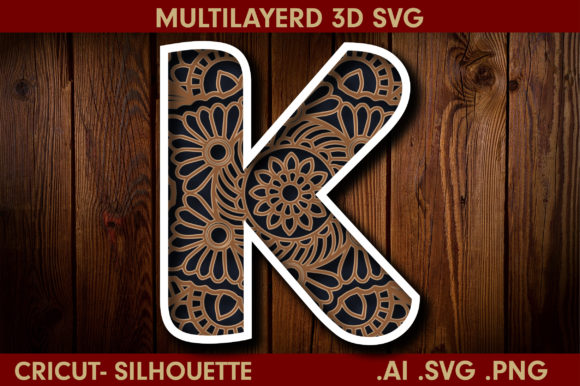
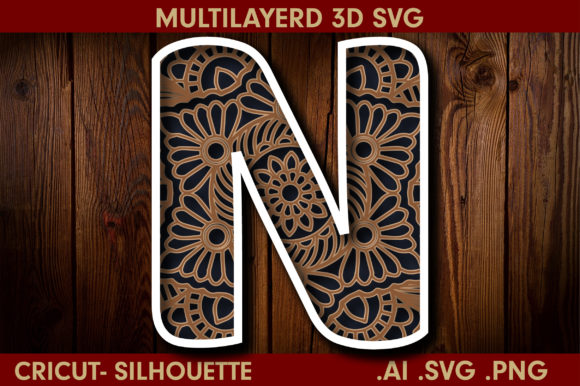
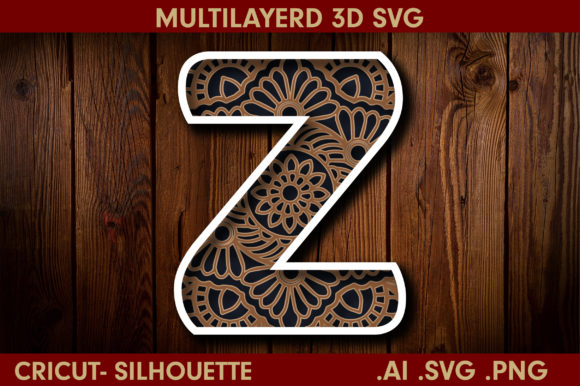
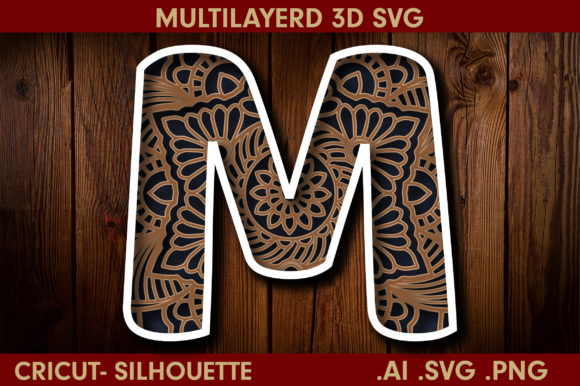
My initial assessment of the 3D Multilayered Letter M Mandala is that it possesses a sophisticated, almost architectural quality. Unlike flat monograms that rely solely on thread color for contrast, this design uses layering to create perceived depth. For an Etsy seller or small shop product creator, this is significant. Customers are increasingly drawn to items that look engineered rather than simply stitched. However, before loading this embroidery file into my machine, I had to consider how those layers would interact with actual fabric grain and stabilizer tension. A design this intricate demands respect for the medium; it cannot be treated as a generic clip-art transfer.
Real-World Application: Stitching a Custom Nursery Pillow
To truly test the viability of the 3D Multilayered Letter M Mandala, I decided to simulate a project that requires both durability and aesthetic delicacy: a personalized nursery pillow cover. This scenario is perfect because it tests the design’s legibility at a medium size while demanding a finish that feels safe and soft to the touch. While the product category lists Shadow Boxes and the format is 3D SVG, adapting these layered concepts for textile use requires careful translation.
In this real-life application, I focused on how the mandala’s internal geometry would hold up against the texture of linen-cotton blend fabric. The "M" shape provides a sturdy framework, which is excellent for baby embroidery projects where structural stability matters. I found that treating the outer mandala rings as a fill stitch base while keeping the central letter structure more defined created a beautiful hierarchy. For a handmade product intended as a personalized gift, this balance ensures the initial is readable from across the room, while the mandala details reward closer inspection. If you are creating custom apparel or home decor, this design offers a premium feel that justifies a higher price point, provided you execute the layering correctly.
Navigating Fabric Limitations and Hoop Constraints
Experience has taught me that not every beautiful design suits every substrate. The 3D Multilayered Letter M Mandala performs exceptionally well on stable, woven fabrics, but it requires caution elsewhere. When considering sweatshirt embroidery or stretchy knits, the multilayered nature of the mandala can become a liability. The density required to create that 3D effect may cause puckering on unstable fabrics unless you use a heavy-duty cutaway stabilizer and potentially a topping to prevent stitches from sinking into the fleece.
I would also advise against using this specific design on curved surfaces like caps or hats. The geometric symmetry of a mandala relies on flat tension; distorting it around a brim often breaks the illusion of depth. Similarly, be wary of using this on sheer or lightweight fabrics typically used for summer garments. The stitch density necessary to support multiple layers could tear delicate material or create an uncomfortable, stiff patch against the skin. For tote bag design or canvas aprons, however, the design is robust enough to handle the coarse fabric texture without losing definition. Always verify your hoop size capabilities before committing; complex mandalas often require larger hoops to maintain proper registration between layers.
Enhancing Product Value and Buyer Engagement
For creative entrepreneurs and craft business owners, the value of a design lies in its ability to stop the scroll. The 3D Multilayered Letter M Mandala excels here because it photographs beautifully. When creating a printable mockup or listing photos for an online store, the interplay of light and shadow on the stitched layers adds a professional polish that flat designs lack. This visual interest directly correlates to buyer engagement and trust. Customers perceive multilayered work as higher effort and higher skill, which validates premium pricing for commercial embroidery services.
Furthermore, this design serves as an excellent anchor for brand consistency. If you are building a boutique identity around personalized initials, having a signature style like this mandala helps differentiate your finished product from competitors using standard font packs. Whether you are selling digital embroidery files to other makers or physical goods to end consumers, the artistic integrity of this design communicates professionalism. It transforms a simple letter into a piece of art, making it ideal for holiday embroidery gifts or wedding keepsakes where emotional resonance is key.
Essential Technical Notes for Makers and Sellers
Before you integrate the 3D Multilayered Letter M Mandala into your production workflow, please adhere to these practical guidelines derived from professional testing:
- Test on Scrap Fabric First: Never run this design directly on a final product without a test stitch-out. The interaction between layers varies wildly between denim, cotton, and polyester.
- Check Thread Color Contrast: Because the design relies on layering for its 3D effect, using similar thread colors for adjacent layers will flatten the image. Use distinct shades or variegated threads to emphasize the depth.
- Review Stitch Density: Open the file in your editing software to check for excessively dense areas. You may need to reduce density slightly for thicker fabrics to prevent needle breaks or fabric distortion.
- Verify Licensing and Formats: The product description mentions SVG, AI, and PNG formats at 300ppi. Ensure you confirm whether your purchase includes machine-readable embroidery formats (like DST, PES, or EXP) or if you must digitize the vector files yourself. Always check the license terms regarding commercial use of the design assets.
- Stabilizer Selection is Critical: For a multilayered mandala, floating the fabric is often insufficient. Hooping a firm stabilizer with the fabric is usually necessary to maintain alignment across the entire design area.
- Mockup Testing: Before listing, test your product photography in both natural and artificial light. Shadows define the 3D aspect; flat lighting will make the design look muddy.
Final Thoughts on Versatility and Execution
The 3D Multilayered Letter M Mandala is a compelling asset for any serious embroiderer or digital designer. It moves beyond basic personalization into the realm of decorative art. While originally categorized under Shadow Boxes and 3D SVGs, its potential extends far into textiles when handled with technical awareness. By respecting the limitations of stretchy fabrics and investing time in proper stabilization, you can leverage this design to create stunning embroidered patches, luxury linens, and memorable gifts. Ultimately, success with this file comes down to understanding that it is not just a picture of a letter, but a structural blueprint for thread. Treat it with that level of intention, and your results will reflect true craftsmanship.