Pair of Bears Love: A Designer’s Embroidery Review
When evaluating a new machine embroidery design for professional or commercial use, the first question is always whether the artwork translates effectively into thread. As a designer who regularly tests assets for client projects and shop inventory, I approached Pair of Bears Love with a critical eye toward stitchability and market appeal. While this product is categorized under Shadow Boxes and provided as a 3D SVG digital paper asset, its illustration style holds significant potential for adaptation into textile arts. For Etsy sellers, apparel decorators, and makers, understanding how this specific bear motif behaves when converted from vector to stitch is essential for creating a high-quality finished product.
First Impressions and Emotional Resonance
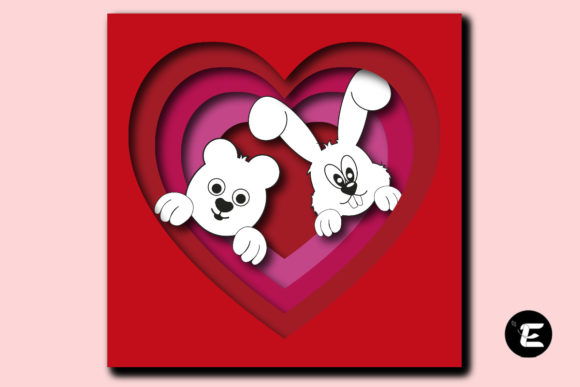
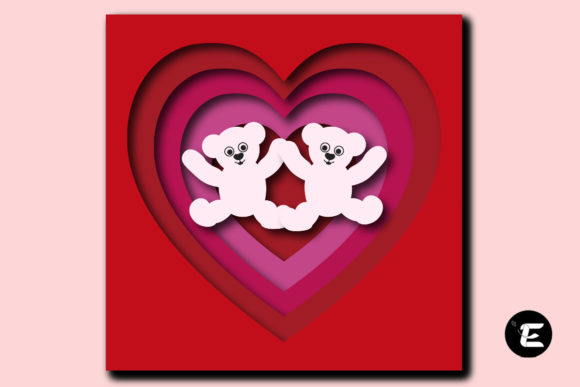
The immediate strength of Pair of Bears Love lies in its emotional clarity. The illustration captures a tender, celebratory mood that avoids being overly juvenile, making it versatile for both nursery decor and adult romantic gifts. Visually, the composition is balanced, which is a critical factor when digitizing for embroidery. Unbalanced designs often require excessive stabilizer or result in fabric distortion, but this layout suggests a stable center of gravity. The shapes appear distinct enough to support clear satin stitch borders or defined fill stitch areas without becoming muddy. For a craft business focused on personalized gifts, this level of visual personality builds instant buyer engagement because the customer can immediately envision the sentiment on their chosen item.
Real-World Application: Stitching a Custom Sweatshirt
To truly judge the utility of this design, I mentally mapped it onto a current best-seller in my shop: the custom embroidered sweatshirt. In this real-life scenario, I am preparing a Valentine’s Day capsule collection. The goal is to place Pair of Bears Love on the left chest of a heavyweight cotton fleece crewneck. This application tests several variables simultaneously: fabric texture, hoop size limitations, and wearability.
In this context, the design performs well as a centerpiece for sweatshirt embroidery. The bear silhouettes are substantial enough to remain visible against the fuzzy texture of fleece, provided the digitizer uses adequate underlay. However, because the original files are .SVG, .PNG, .PDF, and .EPS, this serves as a master art file rather than a ready-to-stitch embroidery file. For the sweatshirt project, I would convert these vectors into an applique design. Using fabric appliqué for the bear bodies reduces stitch density significantly compared to full fill stitches. This is crucial for apparel; a dense patch of thread on a sweatshirt creates a stiff, bulletproof feel that customers dislike. By utilizing the clean lines of the Pair of Bears Love vector art to guide appliqué placement, we maintain the garment's drape while showcasing the adorable theme.
Navigating Fabric Constraints and Technical Limits
While the aesthetic is strong, practical execution requires caution depending on the substrate. Not every embroidery project suits this specific illustration style. When working with stretchy fabrics like jersey knits or ribbed baby onesies, the open spaces in the bear design could gap if the stabilizer choice is incorrect. I recommend testing on scrap fabric first, specifically using a cut-away stabilizer for any baby embroidery applications to ensure safety and durability through frequent washing.
Furthermore, consider the scale. If you intend to use Pair of Bears Love for small items like caps or sleeve cuffs, verify the detail level. Intricate facial features or tiny paws that look charming in a high-resolution .PNG may become indistinguishable blobs when shrunk to a 2-inch hoop size. In such cases, simplification is key. You may need to remove internal details and rely solely on the outline or silhouette. Conversely, for larger projects like tote bag design or pillow covers, the design allows for more elaborate texturing. Here, you might incorporate decorative running stitch accents or background elements that utilize the full resolution of the source art. Always inspect small details in your embroidery software before stitching; what works as digital paper for wall art does not automatically work at 4mm height.
Commercial Viability for Makers and Sellers
For Etsy sellers and small shop product developers, consistency is currency. Pair of Bears Love offers a cohesive theme that can anchor a product line. Because you receive multiple formats including .EPS and .SVG, you can create matching merchandise across different mediums. Imagine offering a personalized gift set that includes an embroidered bib alongside a printed card made from the same digital paper. This cross-medium consistency elevates brand perception and justifies higher price points.
However, commercial viability also depends on licensing and technical readiness. Since the product description highlights creating unique cards and composing wall art, you must rigorously confirm the license terms regarding commercial embroidery before selling finished goods. Do not assume that purchasing the digital art grants the right to sell stitched versions. Additionally, because this is not a pre-digitized machine format, factor in the time and cost of professional digitizing or self-digitizing when calculating your profit margins. A poorly digitized version of this beautiful art will result in returns and negative reviews, regardless of how lovely the original vector looks.
Designer Notes for Optimal Results
Before loading Pair of Bears Love into your machine or sending it to a contract embroiderer, run through this practical checklist to ensure professional results:
- Verify File Compatibility: Confirm you have the necessary software to convert .SVG/.EPS files into .DST, .PES, or other machine-specific formats. These are graphic files, not stitch files.
- Test Thread Colors: Print a printable mockup or test stitch on similar fabric to check contrast. Bears often require subtle shading; ensure your thread colors distinguish the limbs from the body clearly.
- Assess Stitch Density: If converting to fill stitch, adjust density based on fabric weight. High-density fills on thin fabric cause puckering; low-density fills on towels cause show-through.
- Check Licensing: Explicitly review the terms for design assets usage. Ensure you are cleared for selling physical embroidered items versus just digital prints.
- Evaluate Dark vs. Light Backgrounds: Test the design on both black and white fabric. Some bear illustrations rely on dark outlines that disappear on dark garments, requiring a modification to a lighter edge or knockdown stitch.
- Mockup Presentation: Use the included .PNG to create realistic digital previews for your listings. Customers buy with their eyes; showing the bear design accurately placed on a tote or apron increases conversion rates.
Final Thoughts on Value and Versatility
Pair of Bears Love represents a strong foundational asset for creative entrepreneurs willing to bridge the gap between digital illustration and textile art. Its success as an embroidered patch, nursery accent, or holiday gift depends entirely on respectful translation. Treat the source art as a blueprint, not a final command. By paying attention to stabilizer selection, appropriate sizing, and fabric compatibility, you can transform this lovely celebration of love into tangible, heirloom-quality goods that resonate with buyers. Whether you are crafting a one-of-a-kind anniversary gift or stocking your boutique for the season, this design offers the warmth and versatility needed to create meaningful connections through handmade craftsmanship.